

 948 496 705 |
  Contact
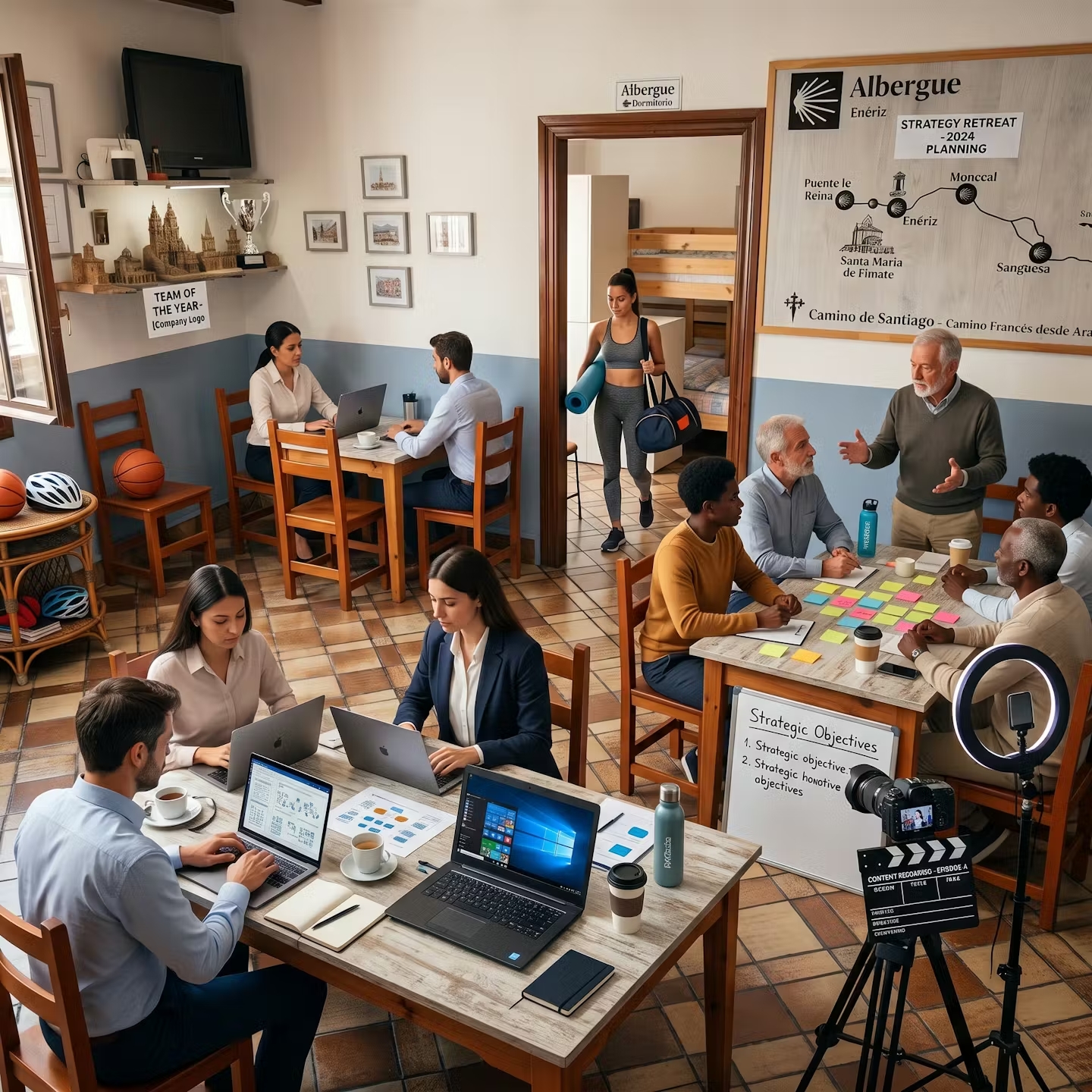
Espacio para equipos que necesitan parar, pensar y decidir
En pleno Camino de Santiago, un entorno diseñado para que los equipos trabajen, convivan y tomen decisiones sin distracciones.
- Espacio en exclusiva para tu equipo
- Entorno natural que favorece el foco
- Logística resuelta para centrarse en lo importante
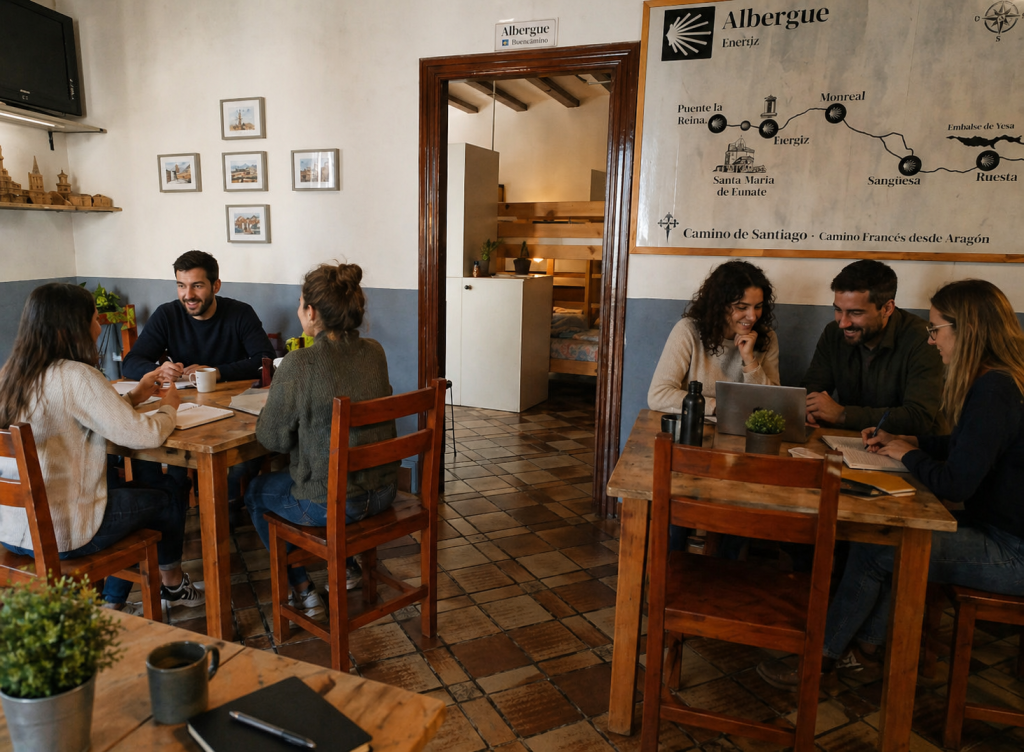
Sal de la oficina. Entra en el Camino
Un entorno que cambia cómo trabaja tu equipo
Cada año, miles de personas recorren el Camino de Santiago y viven algo parecido: claridad, foco y conversaciones que importan.
- Ese mismo entorno es el que ponemos al servicio de tu empresa.
- No es un offsite más. Es una experiencia que cambia cómo se toman decisiones, cómo se comunican las personas y cómo avanza un equipo.
¿Qué cambia cuando salís del entorno habitual?
- Se reducen las distracciones
- Las conversaciones son más directas
- Aparecen ideas nuevas
- Se desbloquean decisiones
¡Cuando sacas a un equipo de su rutina, empiezan a pasar cosas diferentes!
Un espacio diseñado para que las cosas importantes sucedan

Alojamiento para grupos en formato convivencia.

Espacios comunes para reuniones y dinámicas

WIFI en todo el recinto

Climatización para confort todo el año

Cafetería y servicio de comidas en el propio espacio

Gestión de logística (lavandería, equipaje, etc..)

Entorno natural en pleno Camino de Santiago.

Conocimiento del entorno y del Road para enriquecer la experiencia del equipo.

Dinámicas de bienestar: Opción de sesiones de bienestar (yoga, meditación, etc…)

En el caso de eventos privados o corporativos, la cafetería del albergue se reserva en exclusiva para los participantes, permaneciendo cerrada al público general durante la duración del evento.
No es solo dónde os reunís. Es cómo cambia lo que ocurre allí.
.
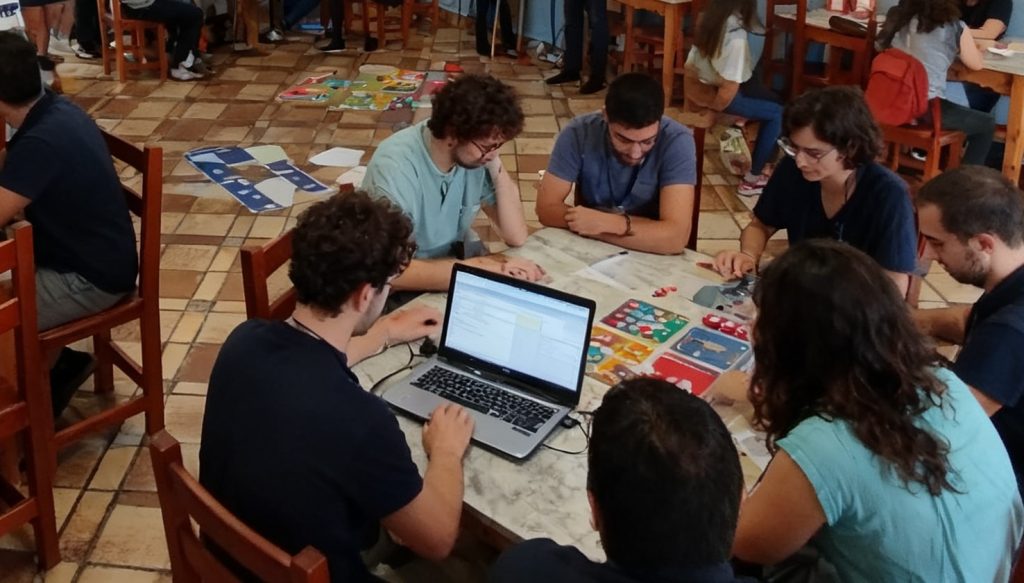
¿Para qué tipo de eventos?
Estrategia y liderazgo
- Reuniones de dirección
- Retiros estratégicos
- Planificación anual.
Formación y desarrollo
- Workshops intensivos
- Programas de liderazgo
- Seminarios y sesiones formativas
Equipo y cultura
- Team building con sentido
- Integración de equipos
- Offsites de empresa
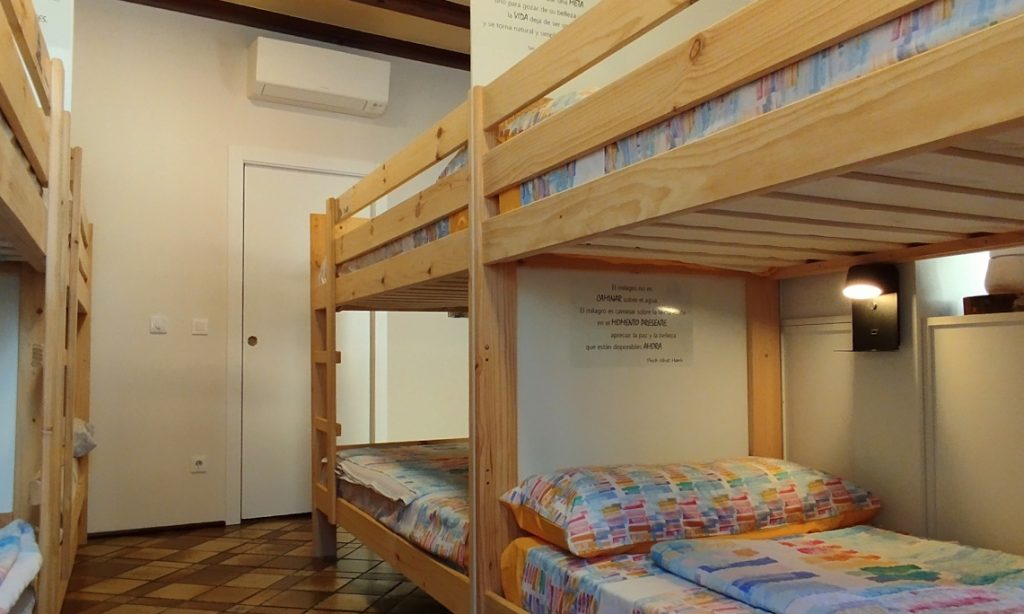
Accommodationwith Charm
Stay with us at Albergue Mesón del Camino and enjoy a truly relaxed experience:
- Enjoy daily accommodation without the stress of reservations or availability worries
- Meals served according to an agreed schedule
- Access to our cozy coffee room
- Your luggage safely stored at the albergue
- Take a rest day whenever you need it
Day 1
Enériz- Santa Maria de Eunate (6.0 km)
- Reception: from 12: 00 hours
- 14: 00 h - Lunch
- Rest
- 17: 00 h - Route: Enériz - Santa María de Eunate
- 20: 00 - Integration of the route and presentation of the following
- 20: 45 am - Dinner
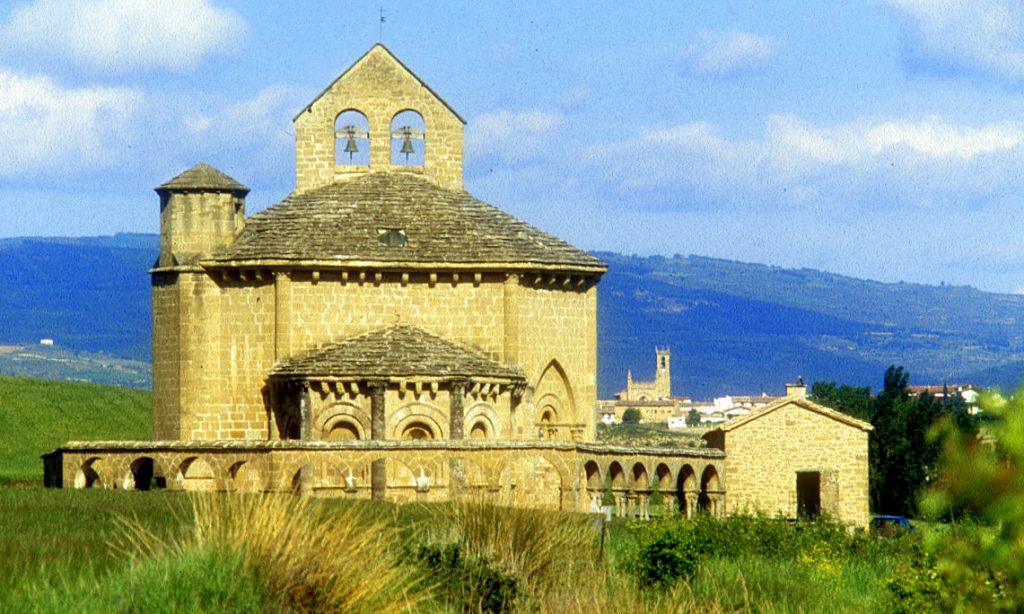
Our first route consists of a pleasant round trip up to Santa Maria de Eunate.
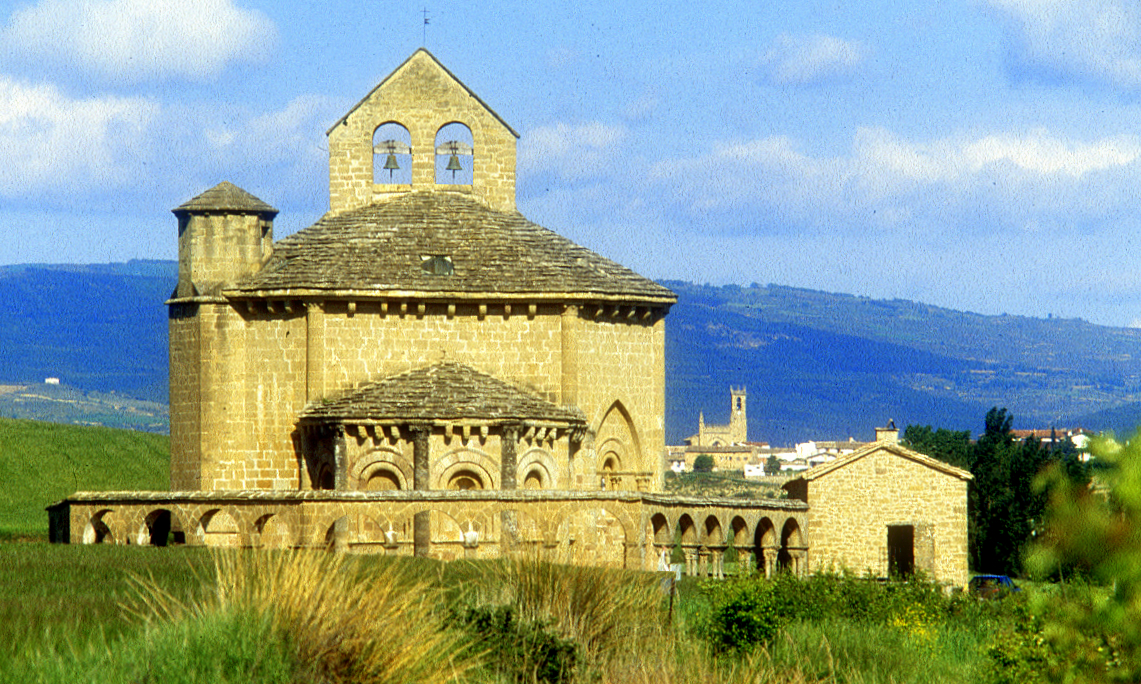
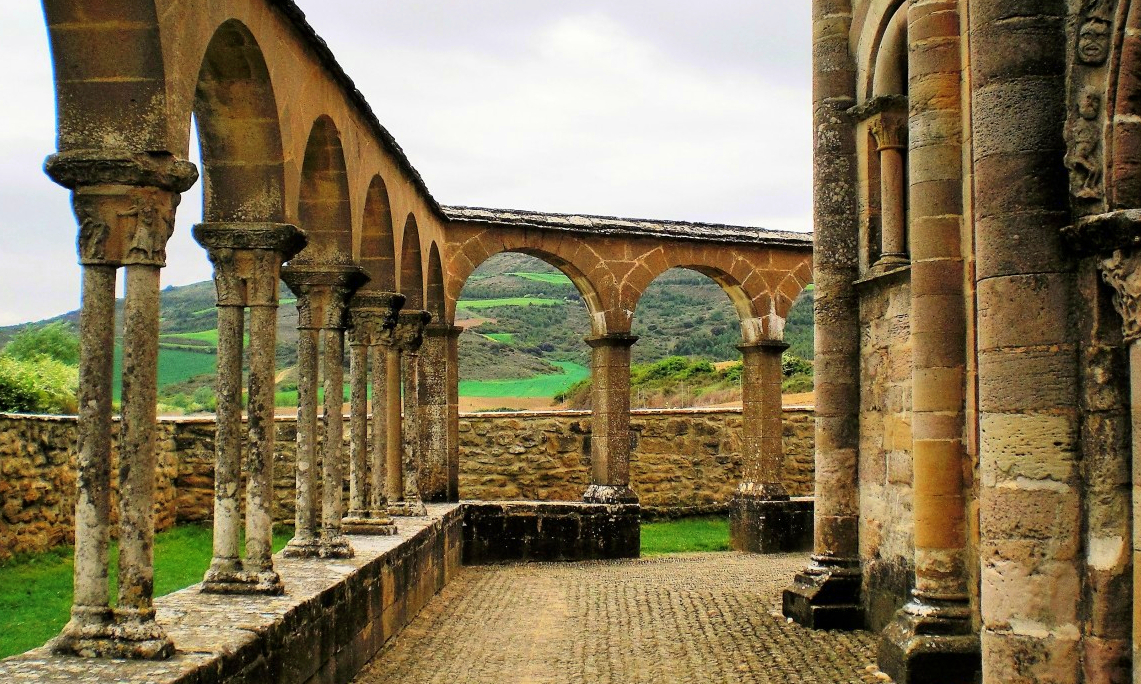
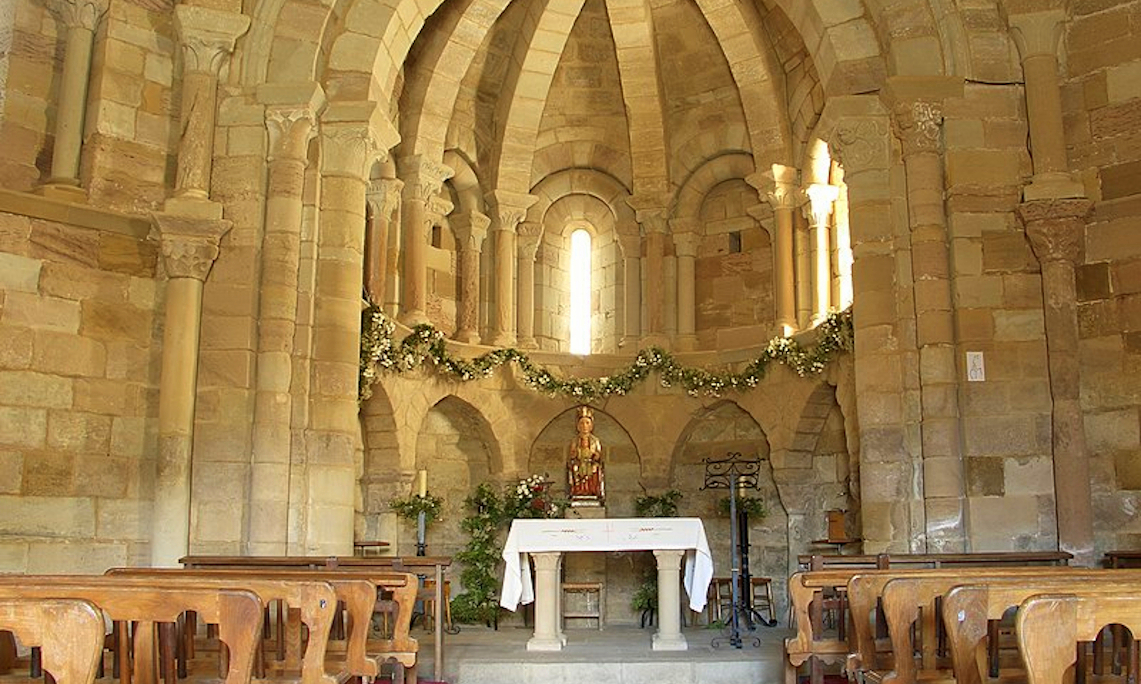
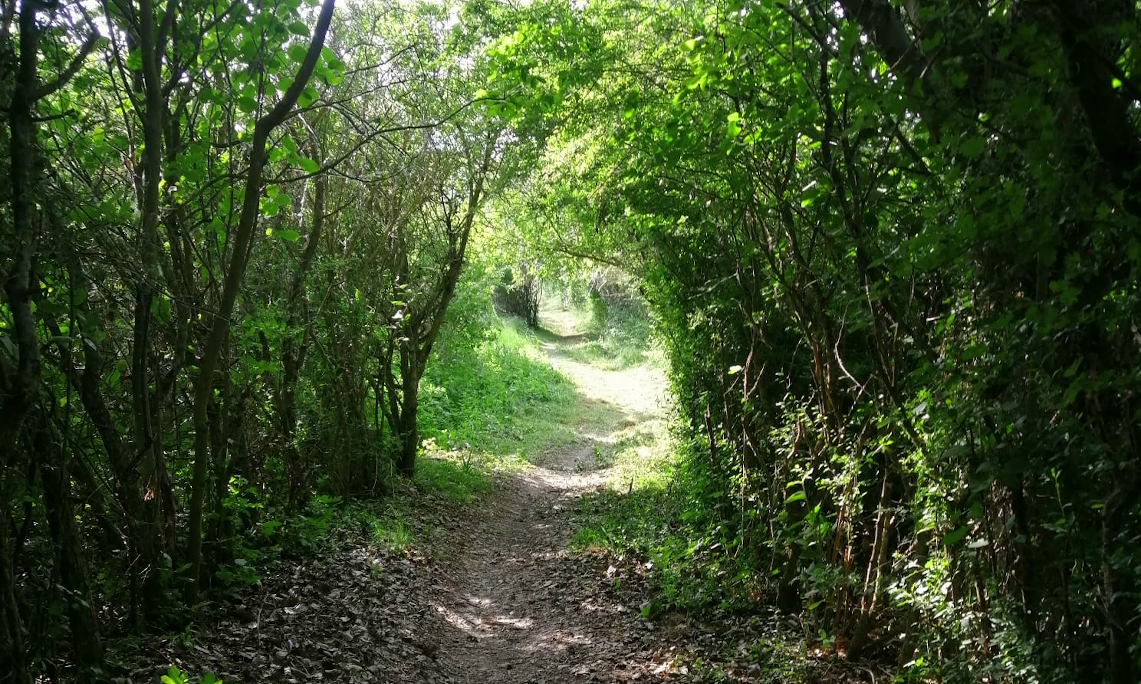
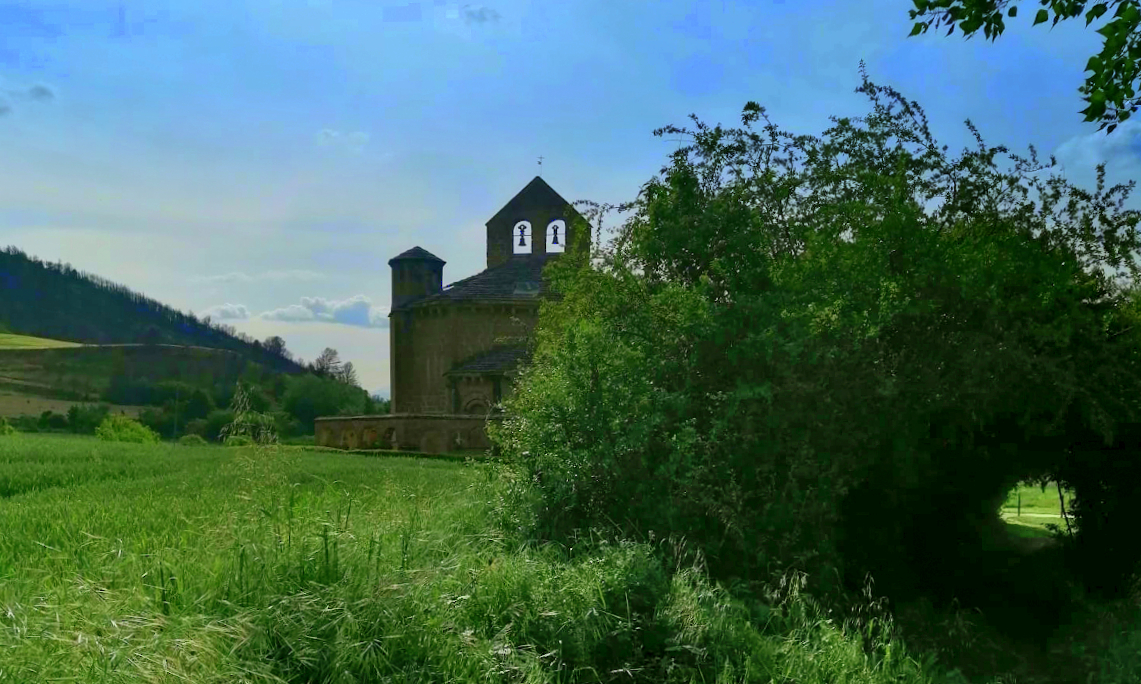
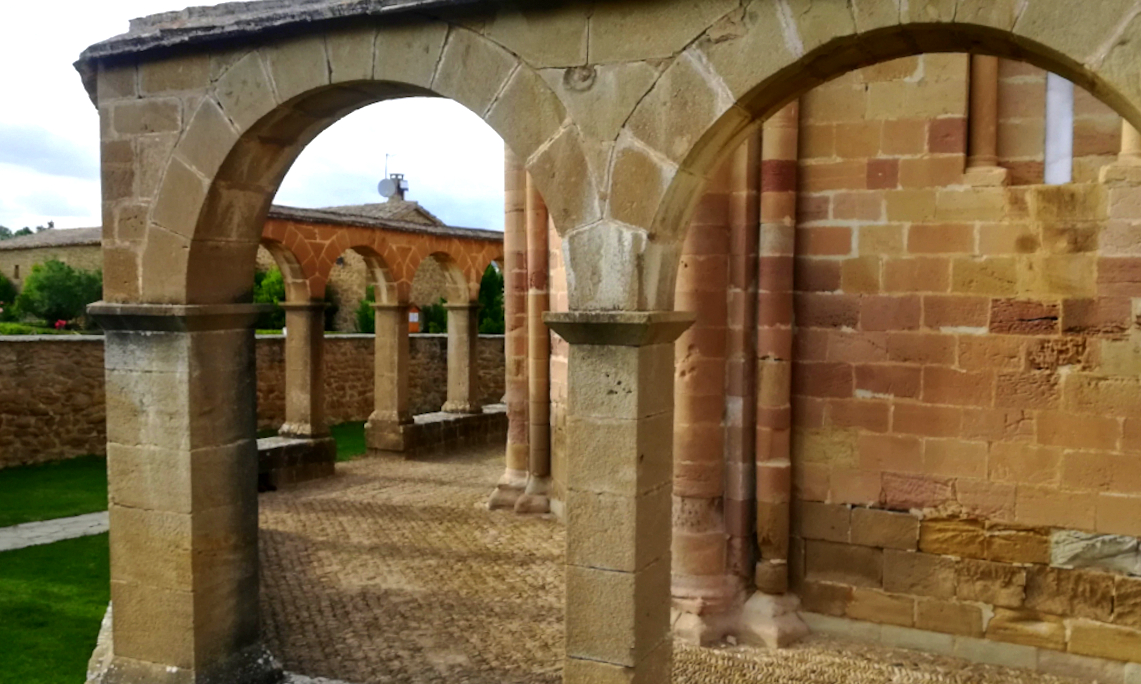
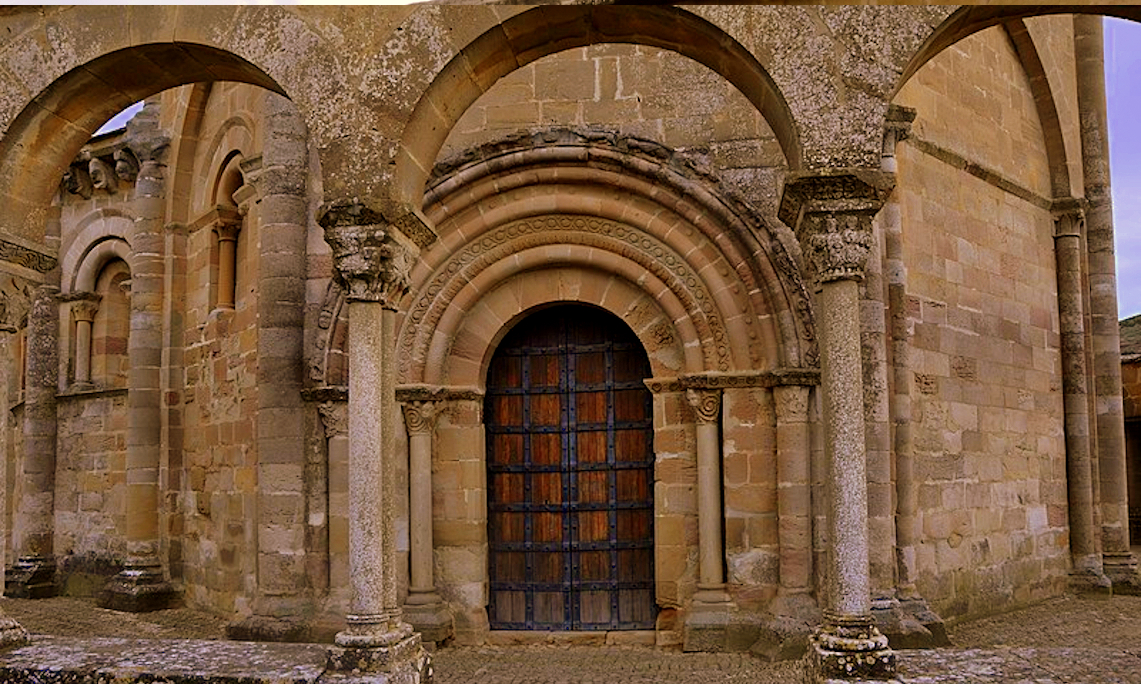
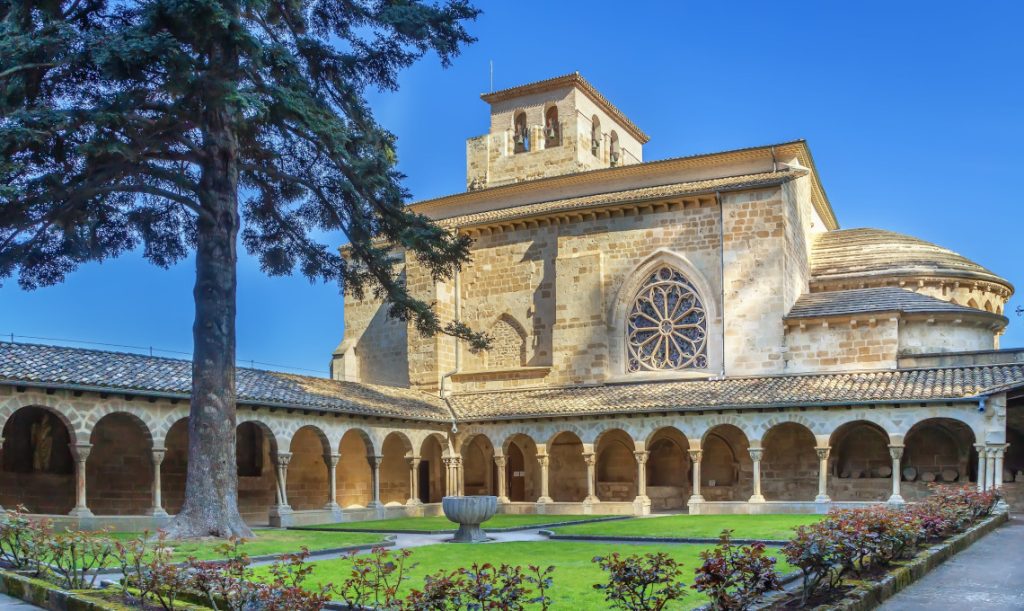
The Church of Santa Maria de Eunate is one of the most beautiful milestones of all the Camino of Santiago, a true icon made art of the Way. It is located just 3 kilometers from our Hostel, on the final stretch of the French Way from Aragon. It is inevitable to make a stop on the Way by reaching this memorable place. Even the people who make the French Way from Rondesvalles, they deviate in Muruzábal adding a short further distance to know this special place. It is located in an open and clear place that helps to further enhance its beauty and spirituality. This is a Romanesque church of octagonal plant, built in the 12th century and its main characteristic and most striking is the existence of an outer cloister around it also in an octagonal form.
+ Information on the website of Santa Maria de Eunate
Tour
| Distance | Difficulty | Circular route |
|---|---|---|
| 5.6 Km | Average | Yes |
- From Enériz Conistory Square, we go through Campanario Street to the point where it is located. the Monument to the Way of Santiago and from here we take the street of San Juan to the right. A good sign tells us that in this direction we are in the middle of the route of Camino de Santiago.
- We follow this street that becomes a track as we distance ourselves from the village. We will travel 2 kilometres through open and unbleak crop areas.
- At 2.2 km We take a path on the right.. This is a deviation that I could go through unnoticed: there is a small pylon of the Way but it is not visible.
- We enter into a narrow and more somber section, covered with trees and vegetation.
- In just over 500 meters we arrived in Santa María de Eunate.
- We return to Enériz on the same route in the opposite direction.
Day 2
Cirauqui - Estella (14.1 km)
- 07: 00 h - Breakfast
- 07: 30- Motivation of today's Route
- 07: 45 h - Transfer at the beginning of the Route
- 08: 15 h - Route: Cirauquit- Estella (Time and free food)
- 16: 30 – Transfer back to Hostel
- 20: 00 - Integration of the route and presentation of the following
- 20: 45 am - Dinner
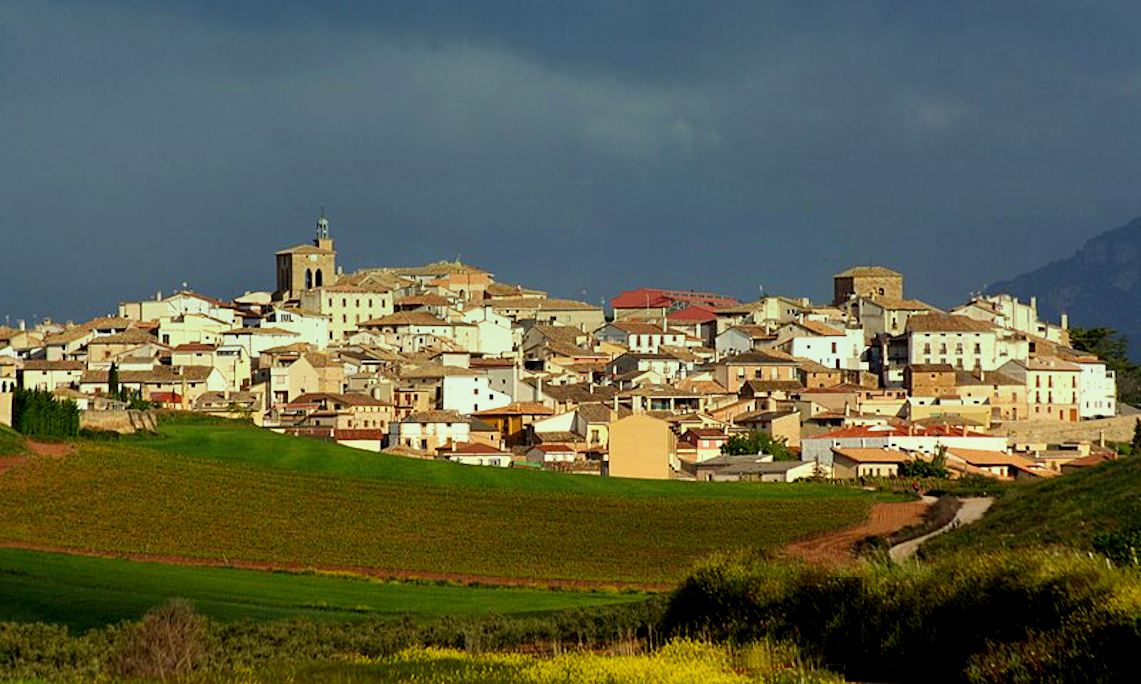
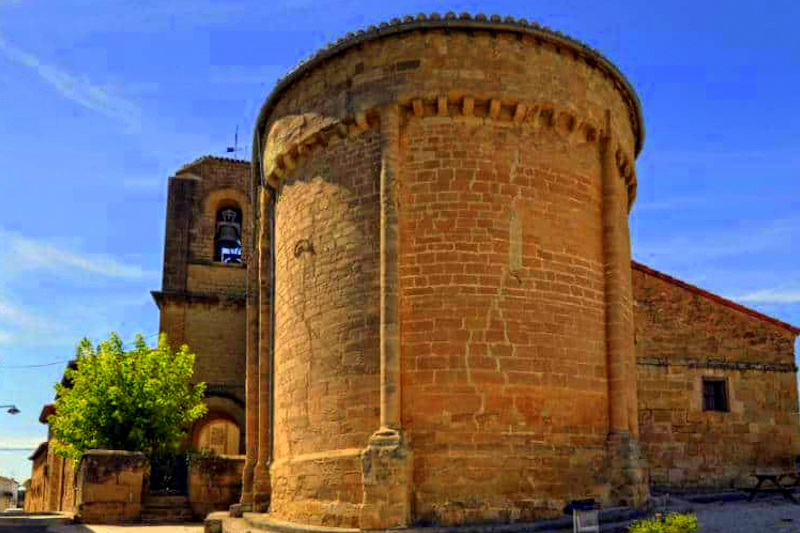
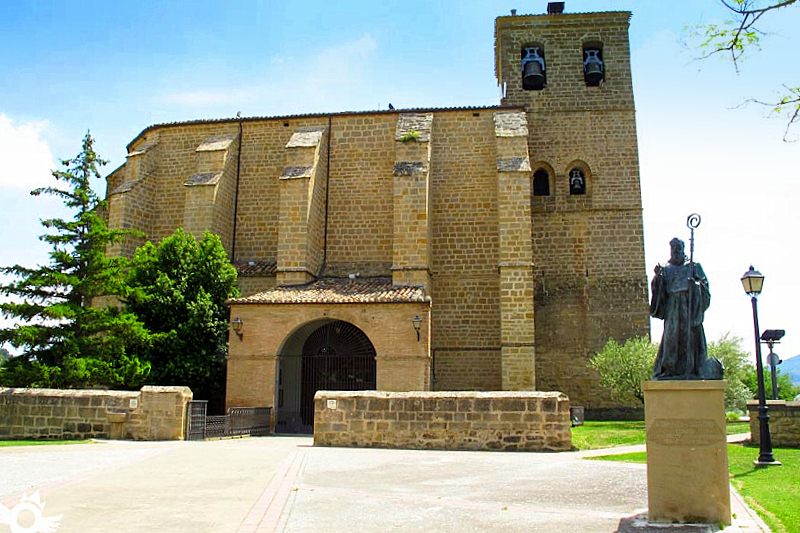
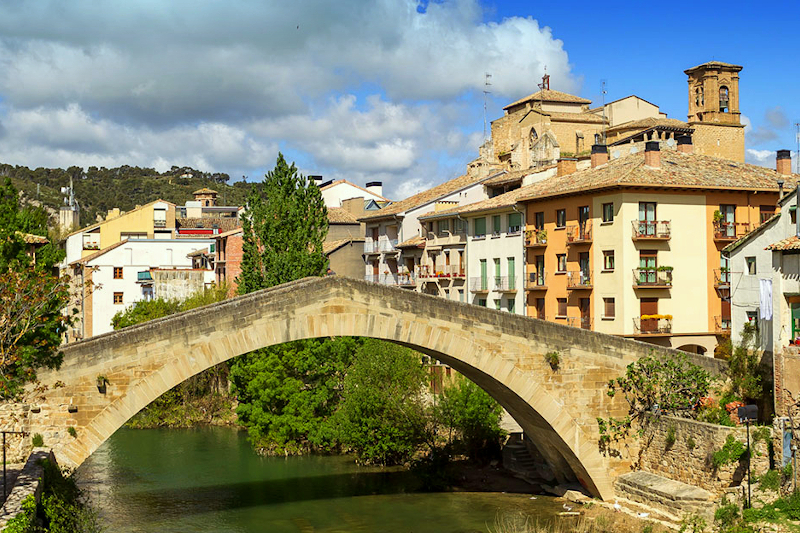
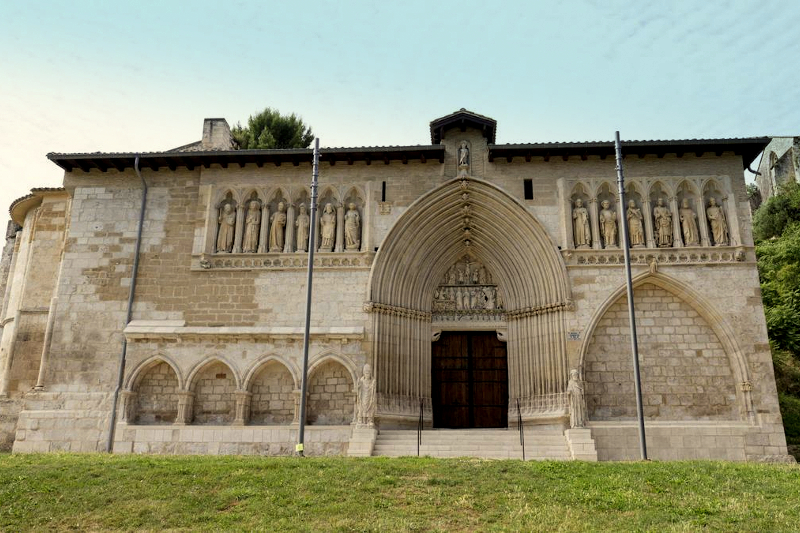
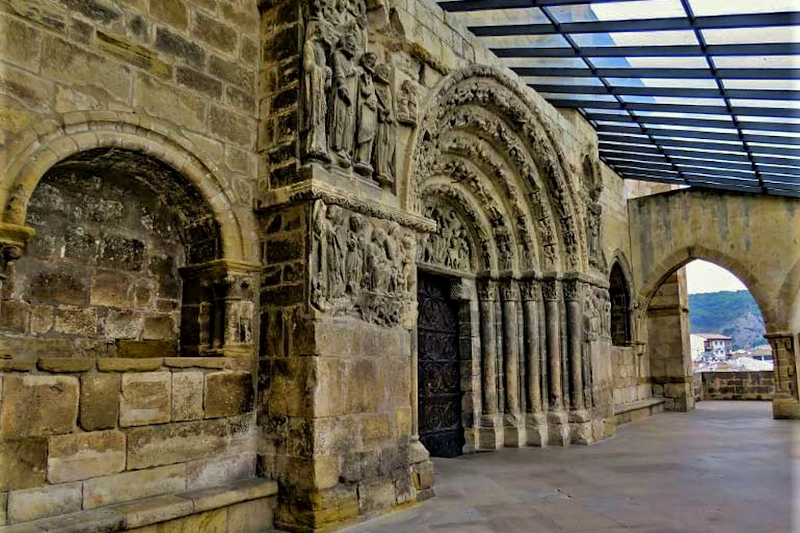
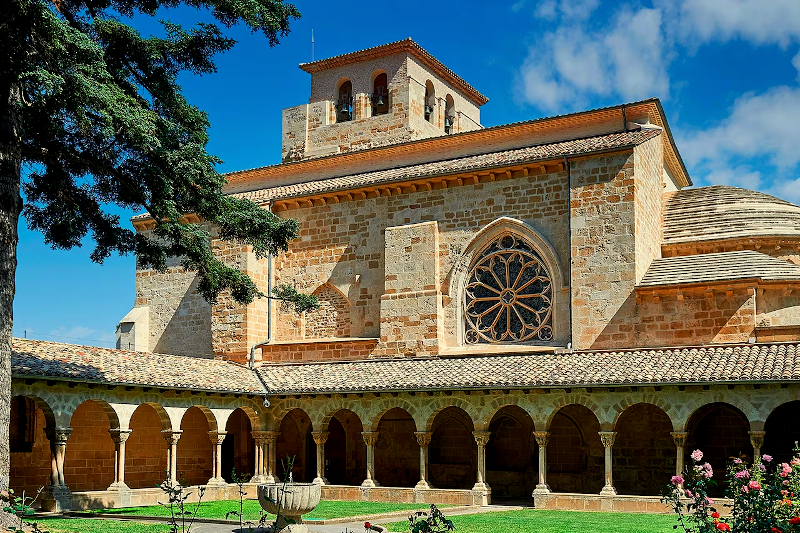
This second route is fully entered in the French Road already unified, after the confluence of the two ramals from Rondesvalles and Somport. We started it on Cirauqui, a beautiful town located on an elevation and with a medieval old town and two Gothic churches of the 13th century.
Tour
| Distance | Difficulty | Circular route |
|---|---|---|
| 14.10 Km | Average | No. |
- On the way out of Cirauqui, the Way runs through a section of authentic Roman road and a also Roman bridge It's worth seeing in detail.
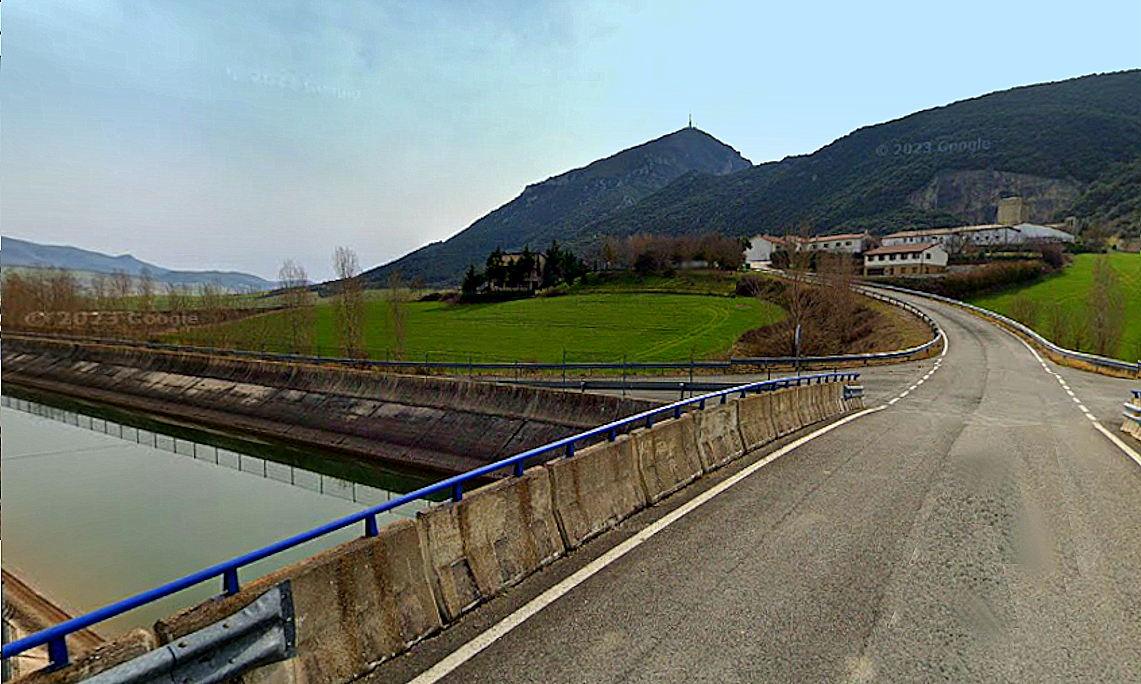
- After crossing the A-12 motorway through a bridge, the road is still without outstanding levels. We will cross again several times below the A-12 motorway and we will circulate parallel to the road passing below a modern aqueduct from the Alloz reservoir.
- We separated from the road on a left-hand detour and crossed a medieval bridge Rio Salado and we go back under the A-12 and we immediately indicate the climb, by a narrow way to Lorca.
- We entered Lorca by finding her beautiful on the right hand. Church of the Saviour from the second half of the 12th century and we crossed the whole town straight.
- We follow our route by comfortable tracks to the left of the road and the highway which we will then cross further below coming now Villatuerta.
- In Villatuerta we crossed the Iranzu River by a unique Roman bridge and we immediately arrived the Church Square. The Church of Our Lady's Annunciation, currently of Gothic style, was originally a Roman temple.
- In the same square we can appreciate the bronze statue of San Veremundo pattern of Villatuerta and whose remains, kept in an urn, are kept every five years in alternation with the nearby town of Arellano.
- A little more than 1 km we pass near the Hermitage of San Miguel and we approach the last stretch, by the river, until we reach Estella.
- Estella deserves a full visit given its rich historical and artistic heritage. The churches of San Pedro de la Rúa (12th century), Holy Sepulchre (14th century), of San Miguel Archangel (12th century) and Saint John the Baptist (12th century). The Palace of the Kings of Navarra (12th century), excellent example of civil Romanesque. In the city we can admire other beautiful palaces and houses, such as the Governor's Palace (XVII), today Museum of Carlism.
Day 3
Zariquiegui - Puente la Reina (12.9 km)
- 07: 00 h - Breakfast
- 07: 30- Motivation of today's Route
- 07: 45 h - Transfer at the beginning of the Route
- 08: 15 h - Route: Zariquiegui - Puente la Reina (Time and free food)
- 16: 30 – Transfer back to Hostel
- 20: 00 - Integration of the route and presentation of the following
- 20: 45 am - Dinner
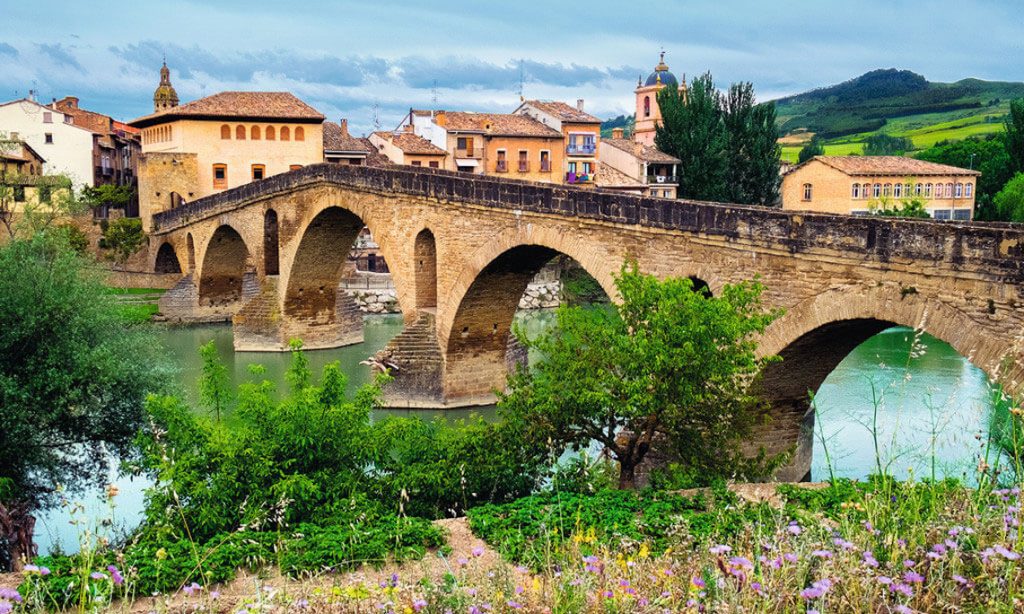
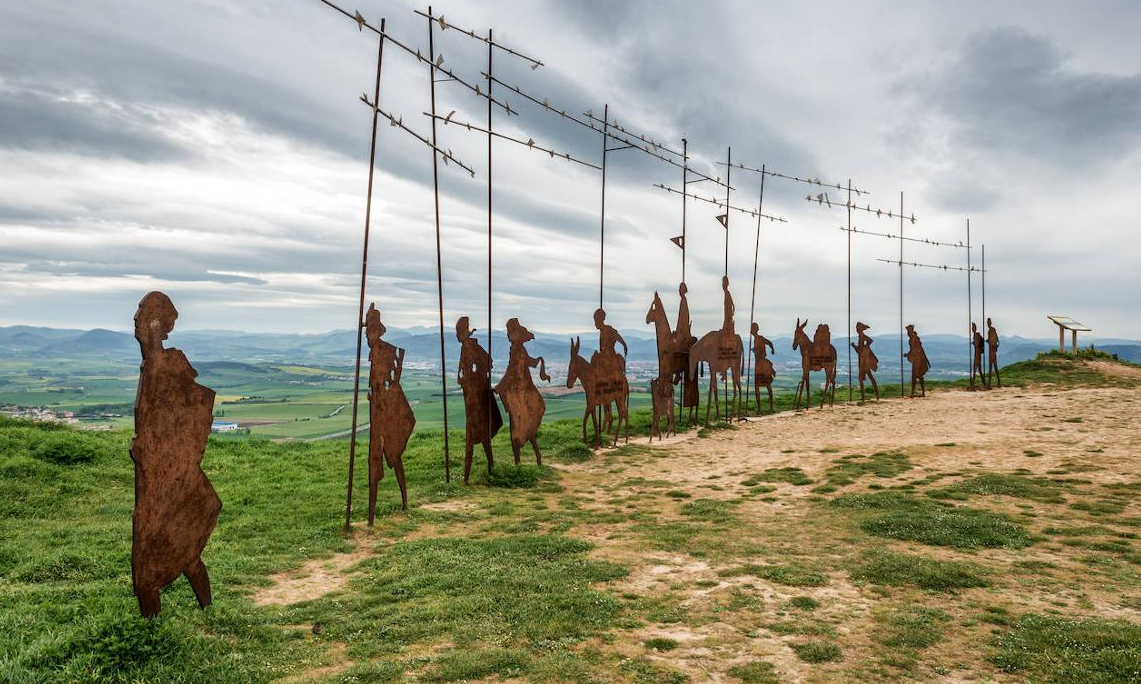
Our third route covers an emblematic section of the French road from Rondesvalles. Let's cross the Stop Forgiveness, special and symbolic place of the Way with its Monument to the Pilgrim which represents a caravan of 12 pilgrims from different times. We started the route at the foot of Mount of Forgiveness, in the village of Zariquiegui and we ended up in Puente la Reina.
Tour
| Distance | Difficulty | Circular route |
|---|---|---|
| 12.9 Km | Average | No. |
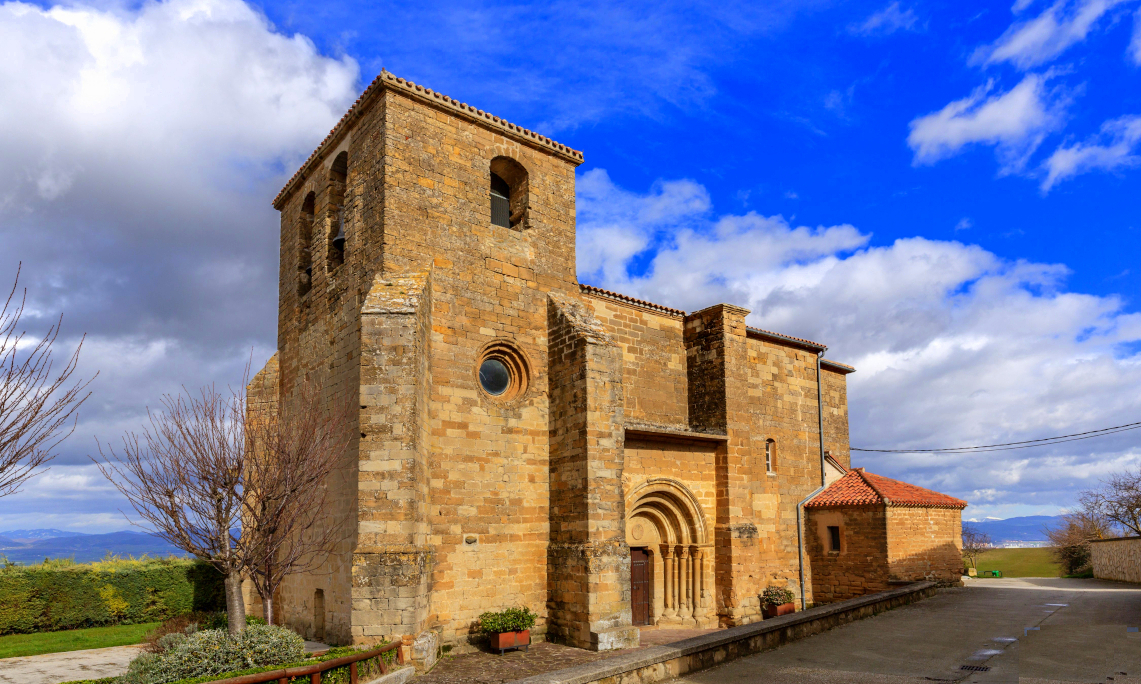
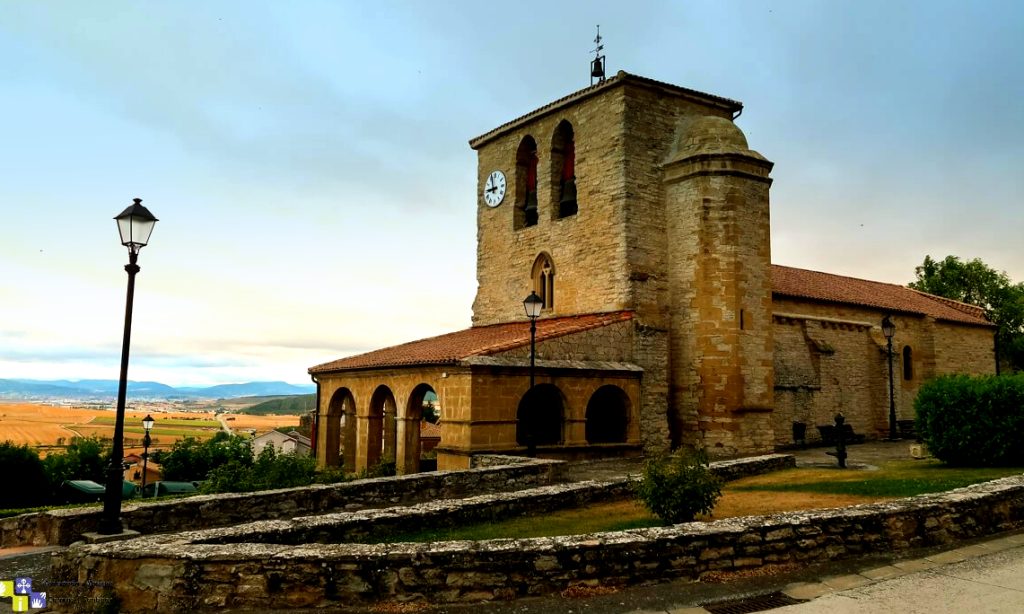
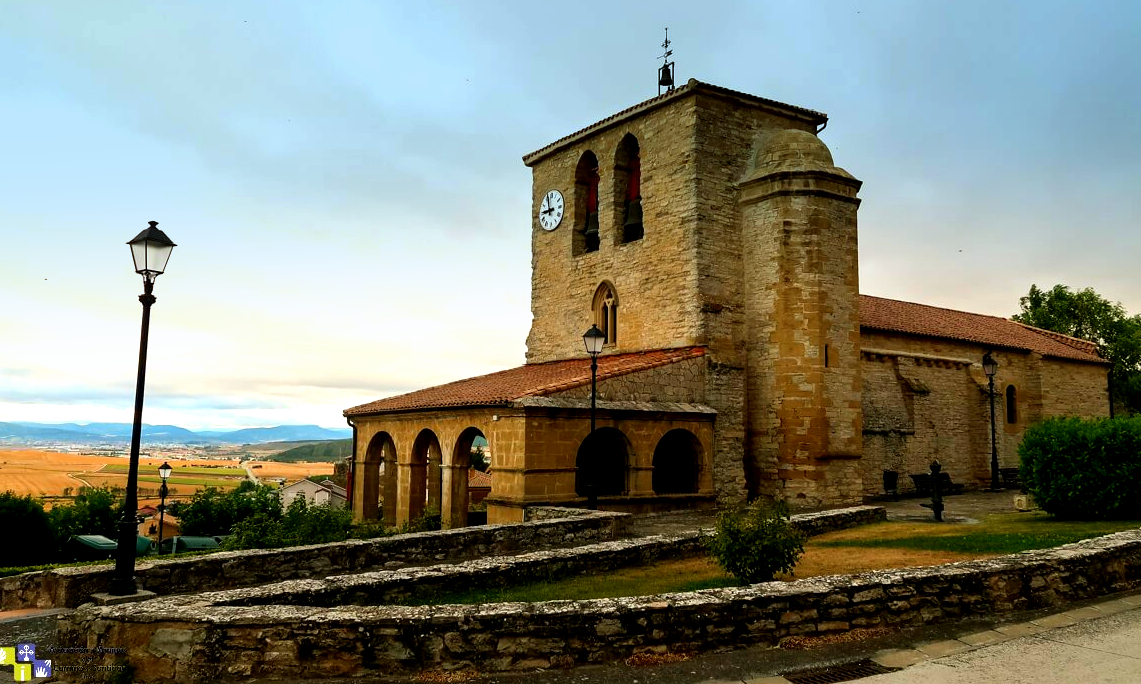
- At the entrance of Zariquieguion the left we found the Church of San Andrés which still retains traces of its Romanesque origin, like the cover on the south side attached to the Way.
- We went through the village and advanced the next 2, 3 km, in progressive ascension to reach the Stop Forgiveness.
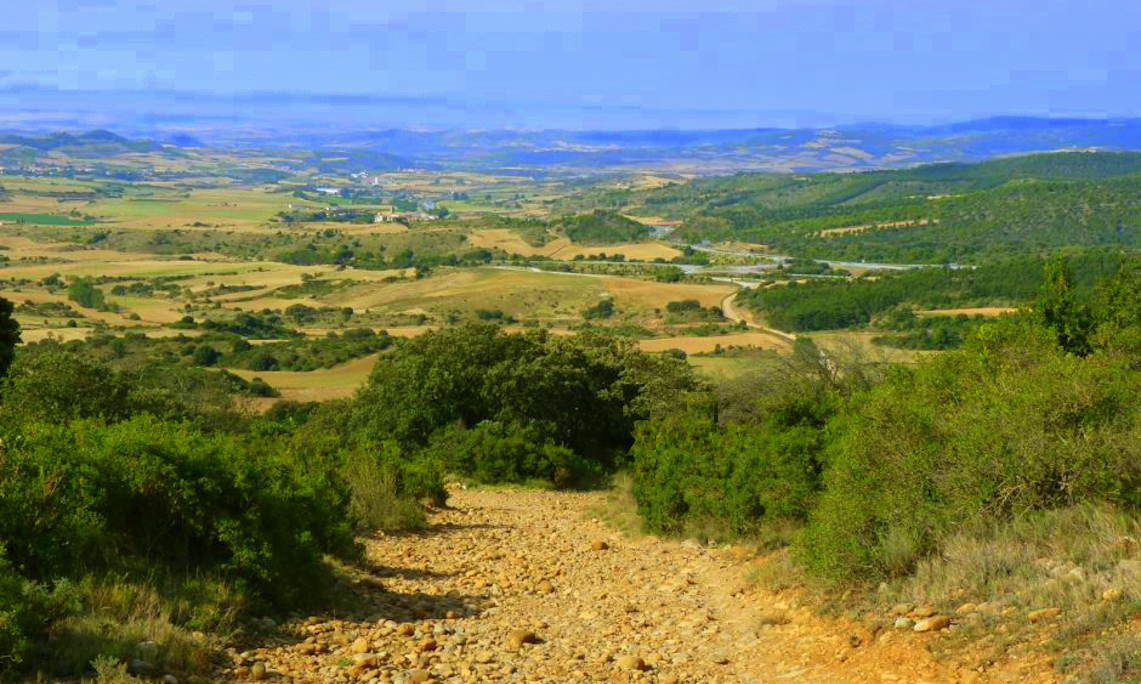
- After enjoying the magnificent look that is El Alto del Forgión, we started the 3.5 km of low, very pronounced and stony at first and something more flat in its last stretch and we reached Uterga.
- We entered Uterga by the Road, through the main street and crossed the village to continue to advance through several sections without difficulty, until we reached Muruzabal. In the town center there is a deviation that leads in just 2.5 km to the Romanesque hermitage of Santa Maria de Eunate and which allows, optionally, the pilgrims who travel through this branch of the Way to also visit Eunate,
- We are still heading to Obanos on a road parallel to the road.
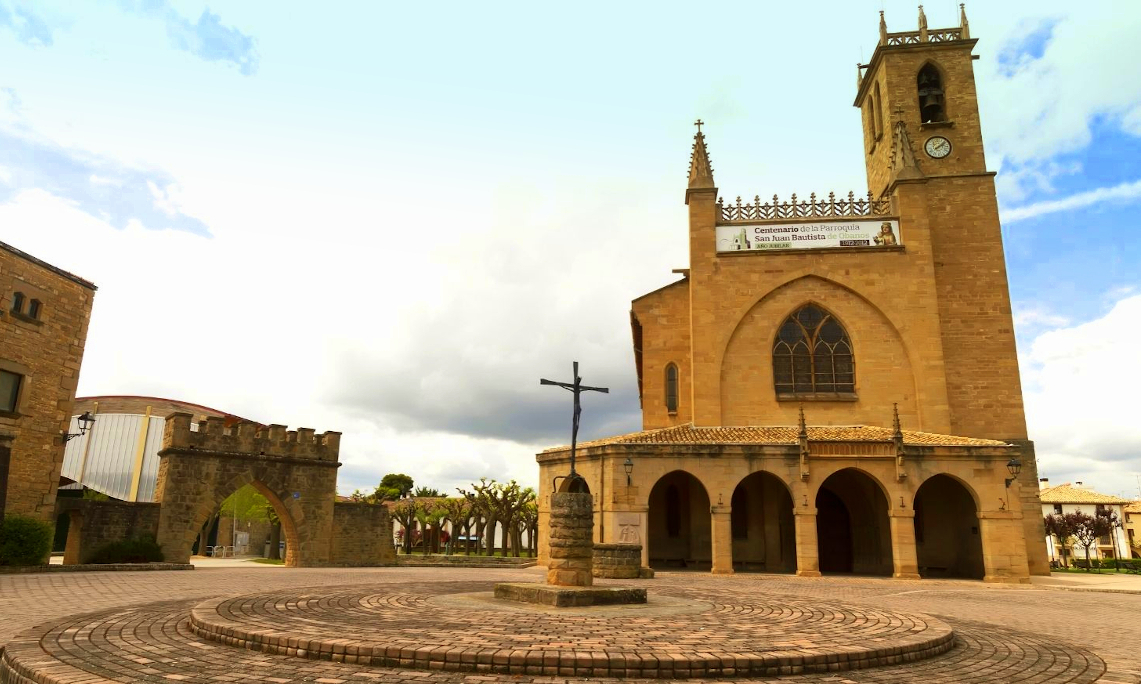
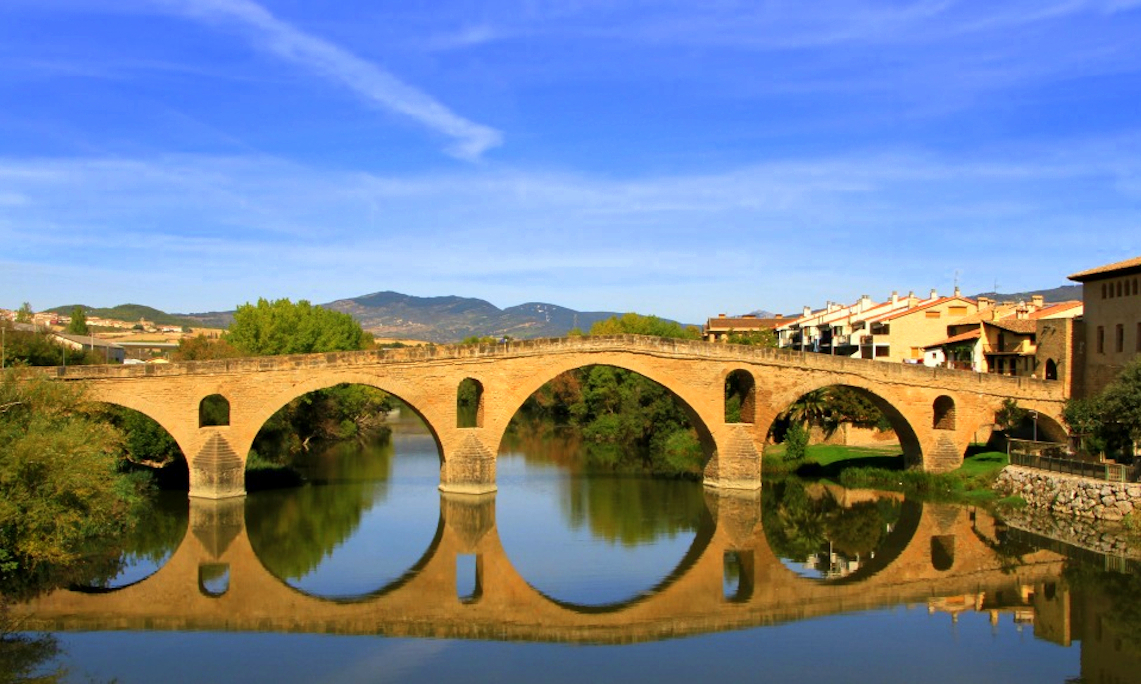
- We cross Obanos and go down to reach and cross the road. We arrived at Puente la Reina passing by gardens and the first houses in the village.
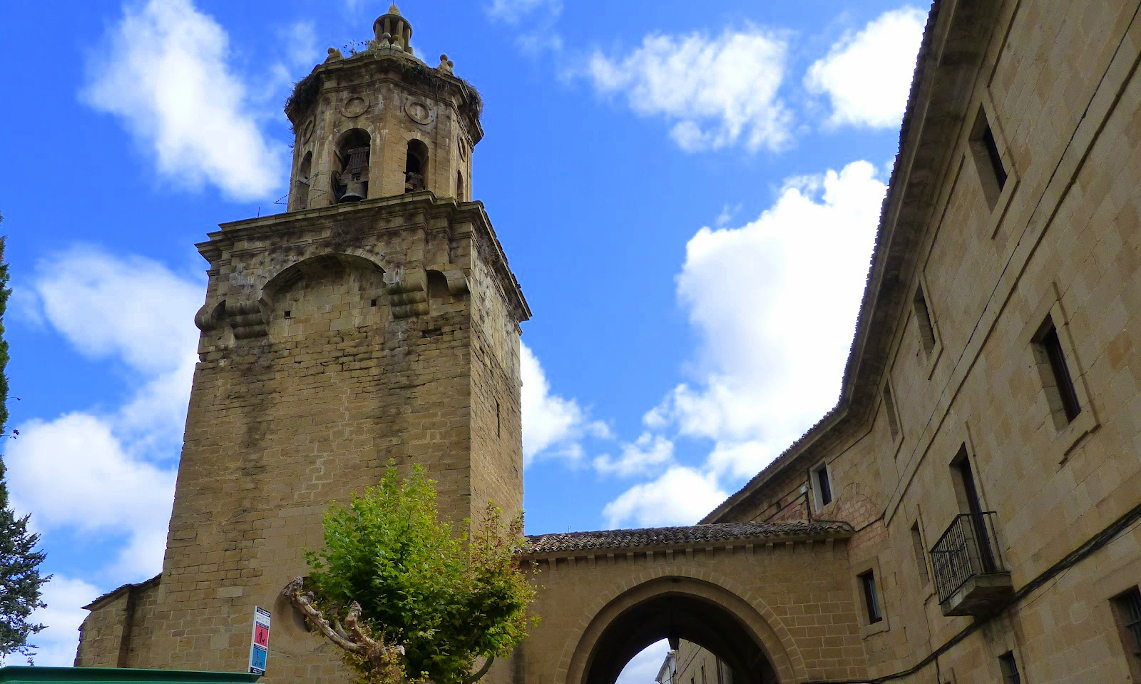
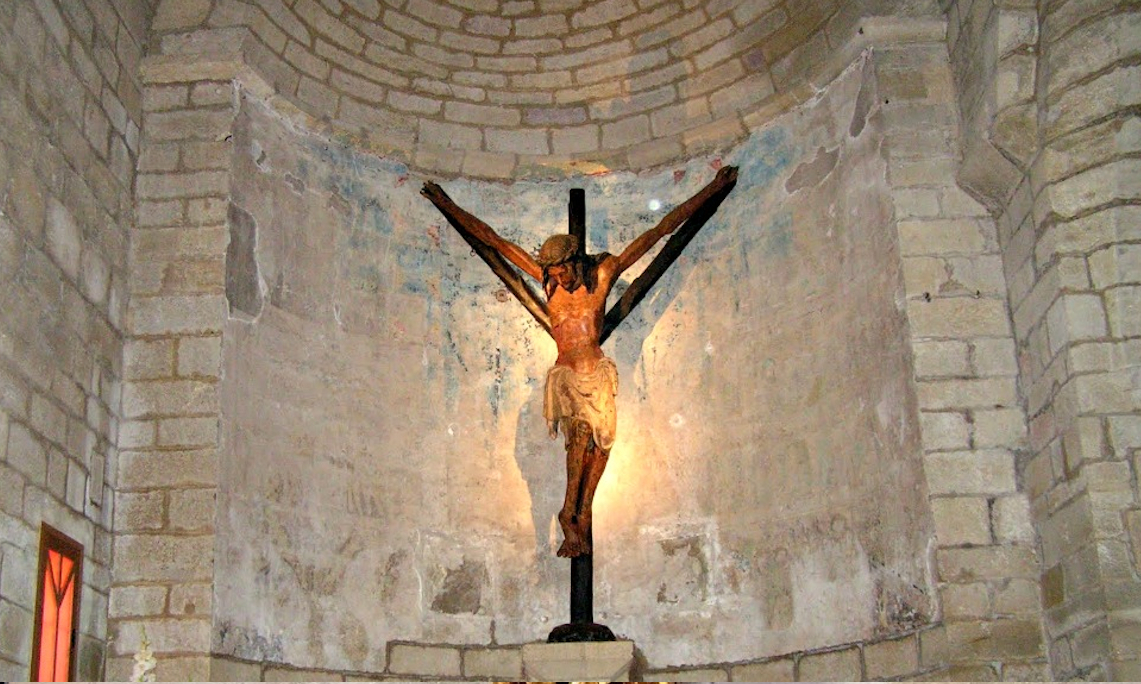
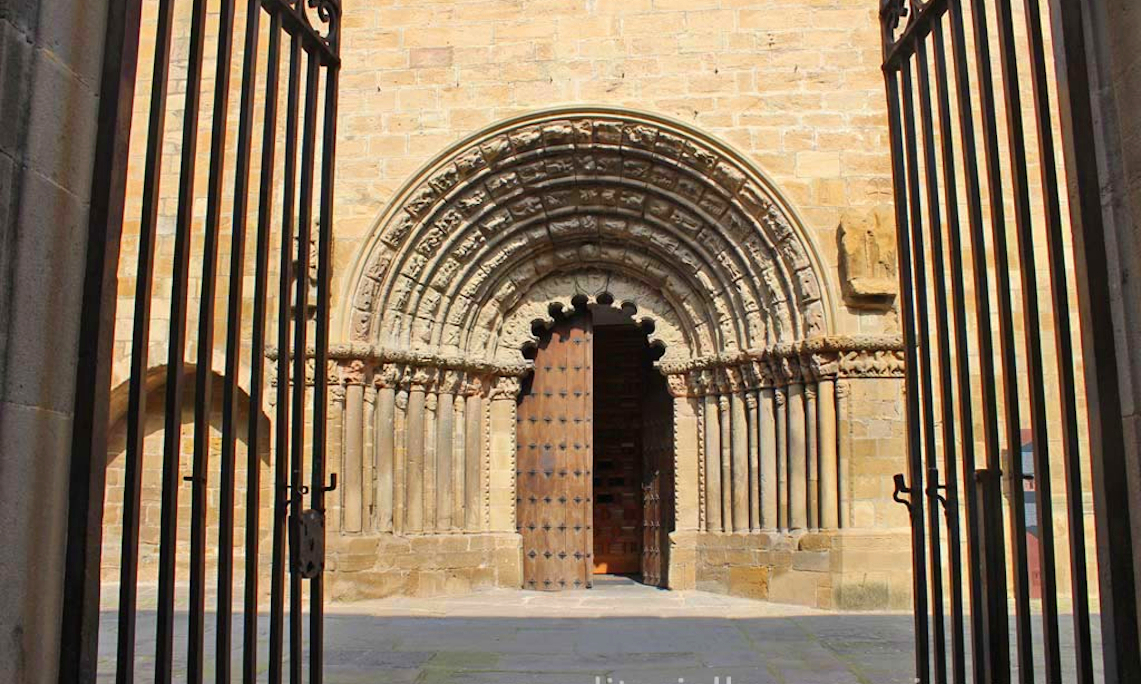
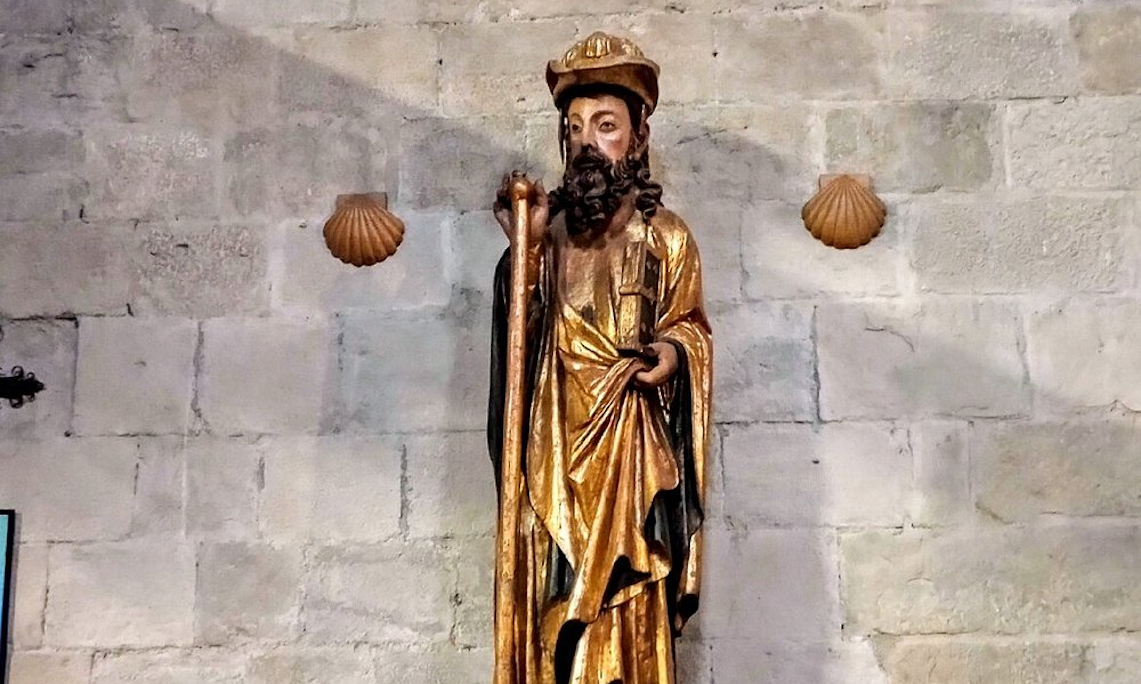
- We entered Puente la Reina at the height of Hostel of Pilgrims of the Repairs Fathers And we went into his old town through the streets of the Crucifix and the Major. During this tour we can visit the main monuments of interest. At first we found the Church of the Crucifix with its imposing cover and within it a crucif of great dimensions considered one of the best works of Gothic imagery in Spain. This size, is distinguished by its unique form of «And», with the arms of the cross raised, which gives it an impressive and unique look. On the same street we find the Church of Santiago, reconstructed in the 16th century on an earlier Romanesque from which the monumental Romanesque cover with Morisque influence is preserved. The extraordinary image in polychrome wood by Santiago Apostle and known as Santiago «beltza» (black in Basque) by his dark face.
Day 4
Tiebas - Enériz (9.4 km)
- 07: 00 h - Breakfast
- 07: 30- Motivation of today's Route
- 07: 45 h - Transfer at the beginning of the Route
- 08: 15 h - Route: Tiebas - Enériz
- 14: 00 h - Lunch
- 18: 30 am - Closure
Our fourth route is entered in the final part of the French Way of the Way of Santiago from Aragon. We started it on Tiebas and we ended up in Enérizwhere our Albergue Mesón del Camino.
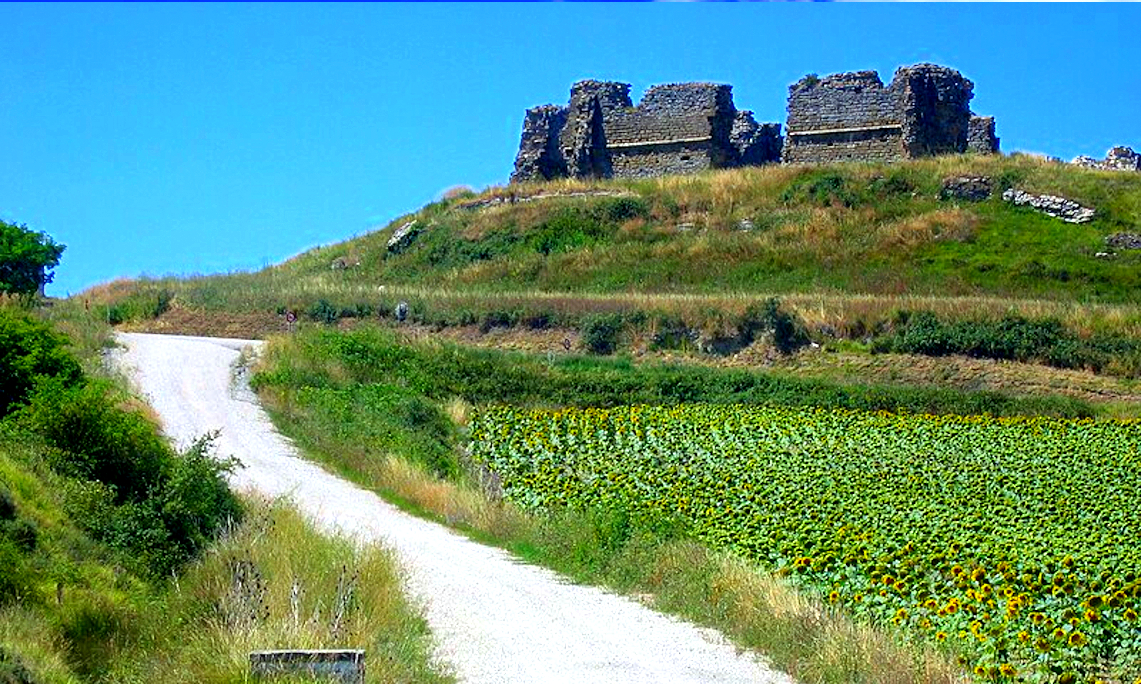
The main sign of identity of Tiebas is his castle medieval palace of, a Gothic construction of the 13th century built very possibly on the initiative of King Teobaldo II of Champagne, king of Navarra. In it the treasure and the real files were kept, in addition to being for a time in prison. Today there are hardly any very well preserved ruins. It also highlights the church of Santa Euphemia, a representative construction of the rural Navarro Gothic.
Tour
| Distance | Difficulty | Circular route |
|---|---|---|
| 9.4 Km | Average | No. |
- Leaving Tiebas, next to the football field, we go down to a track that runs parallel to the AP-15 motorway, which is on the right.
- We move forward to a roundabout where special attention must be paid to signings. We crossed the highway below and immediately, in a new roundabout, we also crossed the N-121 below.
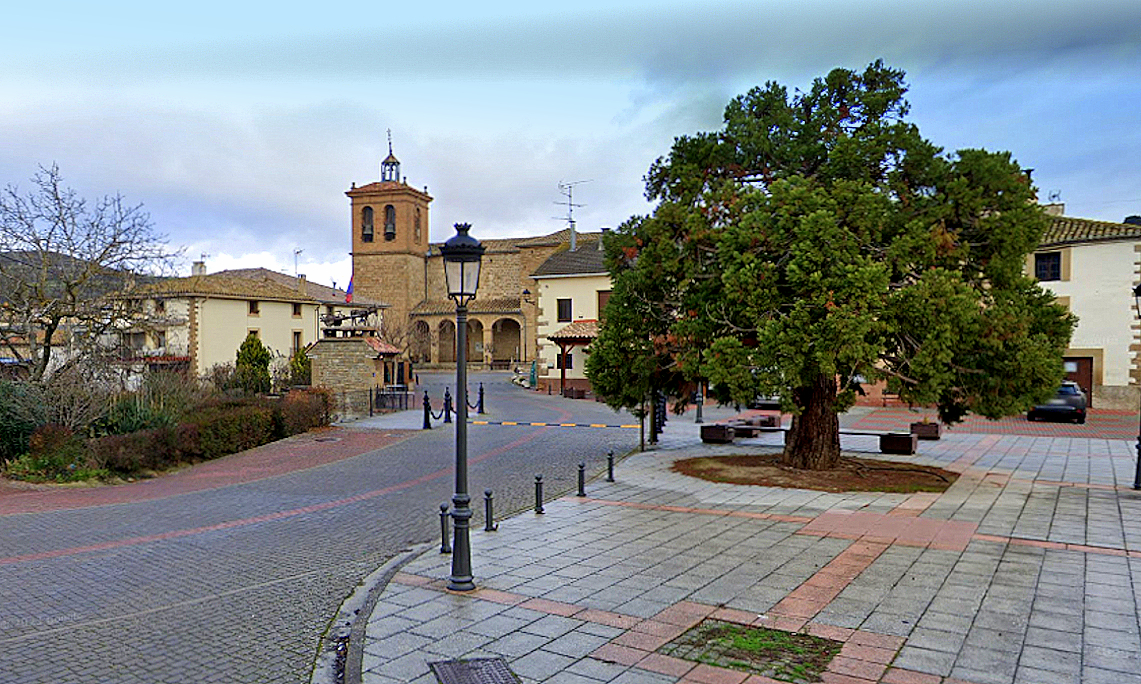
- We followed the signs of the Road and soon after we crossed the train road by an underground step and reached Muruarte de Reta. The Church of St. Stephen, which dates from the Middle Ages and houses a Roman altarpiece deserves a visit.
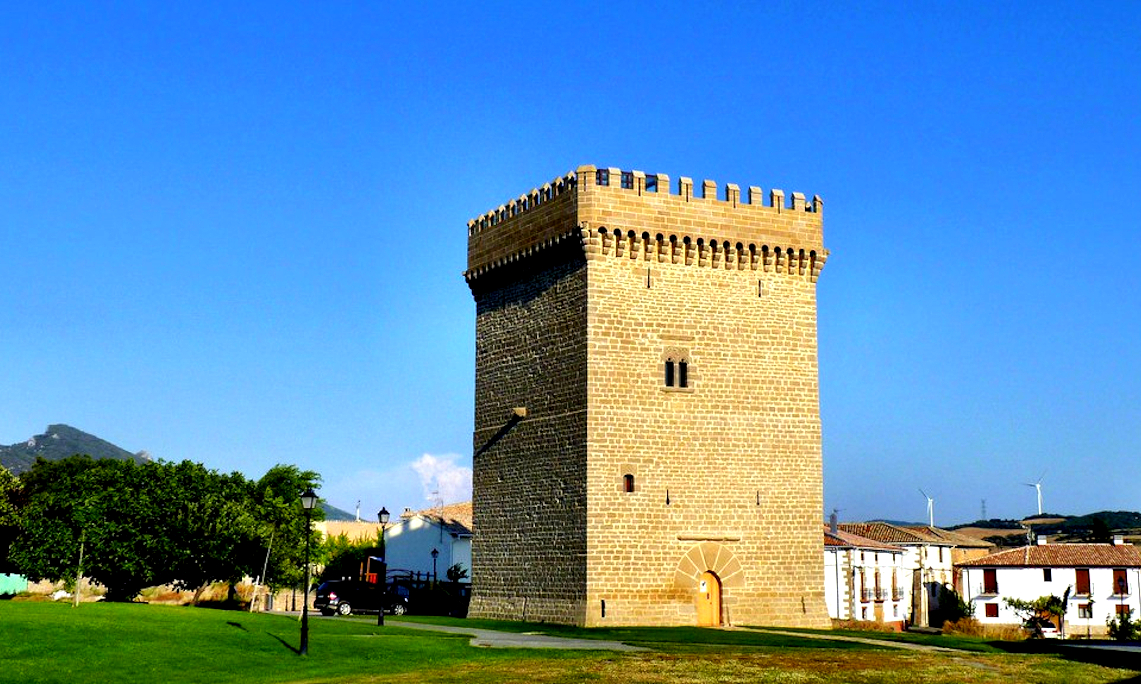
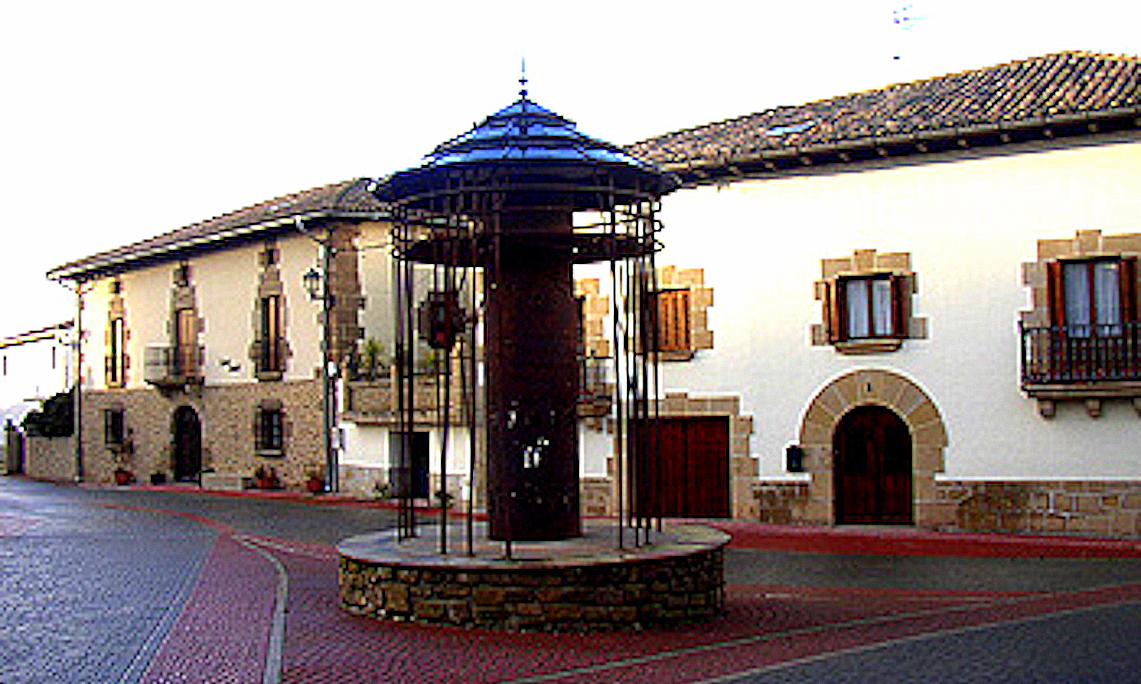
- We continue the next 1.4 km until Olcoz through a secondary road. Three constructions that demonstrate the medieval past of this town. The Church of San Miguelin its Roman origin of the 12th century, it was rebuilt in the 17th century but it retains a great treasure of its primitive factory, the cover, which is replica and mirror of that of Santa Maria de Eunate. The source of María Paula south of the church. Built in the 13th century in a late Romanesque style, it is an aljibe in which a cylindrical stone sculpture with the shape of a head, known as "María Paula," is drawn attention. The medieval tower of Olcoz is considered to be located at the crossing of the north-south, east-west axes in the centre of Navarra. It could date from the 13th century and have been a place of connection between the neighbouring castles, being part of the defense of the kingdom of Navarra.
- When we reach Olcoz we take a way down on the right, and for 2,30 we follow the signs of the path until we reach the crossing with the road of Ucar a Tirapu.
- Cross the road we follow straight along the road and in 2 km we arrive Enériz from the top.

